Key specifications to consider:
- Imaging mode (2D, 3D, Doppler capabilities)
- Storage capacity for patient data
- Integration with existing software systems
A machine that supports cloud storage could streamline patient management, allowing easy access to historical data from anywhere, thus saving time and reducing frustration.
Understanding your specific clinical needs:
- Portability for bedside imaging
- Stationary system for a dedicated ultrasound room
The intended applications, such as:
- Obstetrics
- Cardiology
- Musculoskeletal imaging
Additionally, consider the level of training of the users; a user-friendly interface can make a significant difference in the machine’s adoption and the quality of care provided.
It’s also advisable to prioritize machines from reputable brands known for their reliability and customer support, ensuring that your investment is safeguarded.
By carefully weighing these factors and avoiding common pitfalls—such as focusing solely on price or neglecting to consider future technological advancements—you can make a well-informed decision that meets both your clinical needs and enhances your patients’ experience.
Key factors to consider before buying
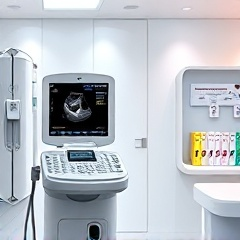
When embarking on the journey to acquire a new ultrasound machine, it is crucial to take a holistic approach that encompasses multiple dimensions of your clinical practice.
- Evaluate Imaging Capabilities: Consider advanced 3D imaging and Doppler features for specialties like obstetrics.
- Storage Capacity: Choose a machine with robust internal databases or cloud connectivity for efficient record management.
- Portability: Select a lightweight, compact unit for frequent bedside assessments, or a stationary setup for dedicated diagnostic rooms.
- Brand Reliability: Opt for manufacturers known for superior customer service and consistent performance.
- User Experience: Invest in systems with intuitive interfaces to ease the learning curve for staff and enhance patient care.
A comprehensive approach will enhance your workflow and reduce administrative burdens.
Portability: portable vs stationary systems

When evaluating ultrasound equipment, one must grapple with the trade-offs between mobility and imaging performance.
- Portable units: Weigh around 10 to 20 pounds, easily transported between patient rooms or remote locations.
- Advantages: Enhances flexibility of care delivery.
- Mobile scenario: A doctor can swiftly move from the hospital ward to a patient’s bedside for quick assessments.
- Stationary machines: Typically boast advanced features and larger screens that can exceed 20 inches.
- Higher resolution images: Crucial for detailed cardiac evaluations.
- Considerations: Stationary units require dedicated space, potentially limiting service speed.
It’s essential to weigh your practice’s daily demands against the technical specifications of each system.
The emotional stakes are high: The right choice can empower healthcare professionals to provide timely, accurate diagnoses.
Impact: Ultimately affects patient outcomes and fosters trust and reliability in the care process.
Balancing these aspects will guide practitioners to make informed decisions that align with their clinical objectives and operational realities.
Comparing ultrasound machine types
In the realm of ultrasound technology, the decision between various machine types often hinges on the specific context in which they will be employed.
- Handheld devices, which have surged in popularity, epitomize convenience and accessibility; they can fit snugly in a doctor’s bag and be ready at a moment’s notice, offering a quick glimpse into a patient’s condition, especially in critical care situations.
- Picture a busy emergency room where every second counts; a clinician can whip out a portable unit to assess a trauma patient’s internal bleeding, providing immediate insights that could save lives.
- Conversely, traditional ultrasound machines, with their robust capabilities and extensive feature sets, excel in environments where comprehensive imaging is paramount.
- These systems, often found in specialized departments like cardiology or radiology, are engineered to deliver unparalleled detail, enabling practitioners to discern subtle abnormalities that might be overlooked in a hurried assessment.
The emotional weight of these choices is profound; selecting a device that aligns with the intended clinical applications can significantly enhance diagnostic precision and patient care, fostering confidence among healthcare providers and patients alike.
Ultimately, understanding the inherent strengths and limitations of each type is crucial in making a decision that not only meets technical needs but also supports the overarching goal of improving patient outcomes.
| Machine Type | Advantages | Disadvantages |
|---|---|---|
| Handheld Devices | Convenient & accessible | Limited features |
| Traditional Machines | Comprehensive imaging | Less portable |
Common mistakes to avoid when buying
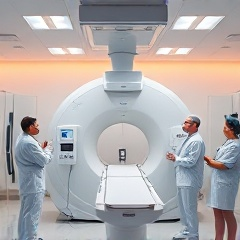
A frequent pitfall when selecting imaging equipment is overlooking the specific requirements of the clinical environment and the operational capacity of the staff who will be using the device.
- Some buyers might be dazzled by high-end models boasting advanced imaging modes and extensive storage capabilities.
- Realizing later that their team lacks the training to utilize such features effectively can lead to frustration.
- In a bustling outpatient facility, investing in a machine that requires extensive training can delay patient care.
Furthermore, the choice of a device should also factor in the long-term support it will receive:
- Warranty coverage
- Maintenance agreements
- Availability of replacement parts
An emotionally charged example of this is a clinic that opted for a low-cost model without proper warranty support, facing significant downtime and repair costs shortly after purchase, leading to dissatisfaction among both staff and patients.
Thus, a holistic approach that balances technological sophistication with practical usability and support infrastructure is essential to avoid common missteps that can undermine the effectiveness of diagnostic services.
Clinical needs and intended applications
Selecting the right imaging device is a nuanced endeavor that demands a thorough understanding of the unique demands of the clinical setting and the competencies of the personnel who will operate it.
- Clinical Focus: A facility focused on obstetrics may prioritize a machine with exceptional 3D imaging capabilities to enhance fetal evaluations.
- Specialized Needs: A cardiology unit might require a device equipped with advanced Doppler capabilities for precise blood flow assessments.
- Staff Expertise: If a team is well-versed in basic ultrasound techniques but lacks familiarity with complex functionalities, opting for a highly intricate model could lead to:
- Underutilization of features
- Wasted resources
- Potential delays in diagnosis
In a real-world scenario, a busy urban clinic chose a device with cutting-edge imaging options, only to discover that their technicians struggled to navigate its interface, causing:
- Significant backlogs in patient appointments
- Increased wait times
Emotional strain mounted as frustrated staff members faced mounting pressure and dissatisfaction from patients. This highlights the necessity of aligning equipment choices not just with clinical aspirations, but also with operational realities and expertise of the staff, ensuring that the investment translates into:
- Enhanced patient care
- Workflow efficiency
Therefore, a comprehensive evaluation that harmonizes technological capabilities with practical application and ongoing support is crucial for optimizing:
- Diagnostic effectiveness
- Sustainable operational success
Image quality and technology
In the realm of diagnostic imaging, the clarity and precision of the visuals produced by the equipment can significantly impact clinical outcomes.
- A machine with high-resolution capabilities, such as those utilizing advanced transducer technology, can provide images with remarkable detail, aiding in the early detection of conditions like tumors or vascular anomalies.
- For instance, a unit that offers a resolution of 1.5 mm can reveal structures that a standard machine might obscure, enhancing the ability to diagnose critical conditions swiftly.
- However, it’s essential to recognize that high-quality imaging is only as effective as the skill of the operator; without proper training, even the most sophisticated device can fall short of its potential.
A recent case at a regional hospital demonstrated this:
- Their investment in a top-tier model with extensive imaging options was undermined by staff unfamiliar with its advanced features, leading to confusion and misinterpretations in scans.
- This not only frustrated the technicians but also placed patients at risk, as delays in accurate diagnostics became commonplace.
Such experiences underscore the importance of matching high-performance technology with adequate training programs and user-friendly interfaces, ensuring the medical team can leverage the full capabilities of the equipment.
Ultimately, a well-rounded approach that combines exceptional imaging quality with practical usability and robust training can foster an environment where patient care is prioritized, enhancing both diagnostic accuracy and overall healthcare delivery.